Permanent Eyeliner Aftercare: Everything You Need to Know
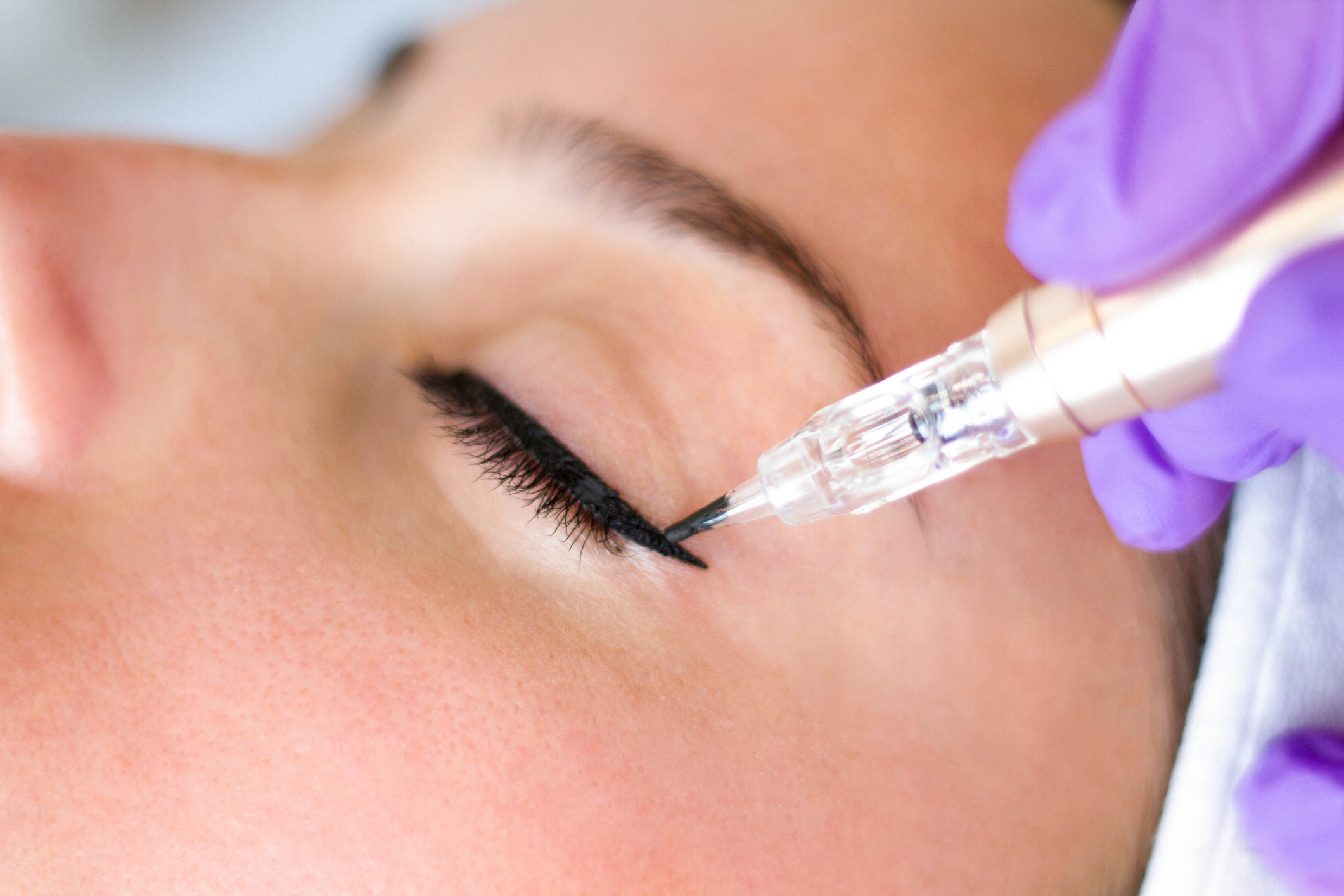
The permanent eyeliner healing process is known to be the easiest of all permanent makeup healing. That probably comes as a surprise. As long as you are in good health, you can expect swift, easy healing. We’re going to go over how your permanent eyeliner will look as it’s healing and the two most common and popular methods of permanent eyeliner aftercare.
Permanent Eyeliner Aftercare is Actually Pretty Easy
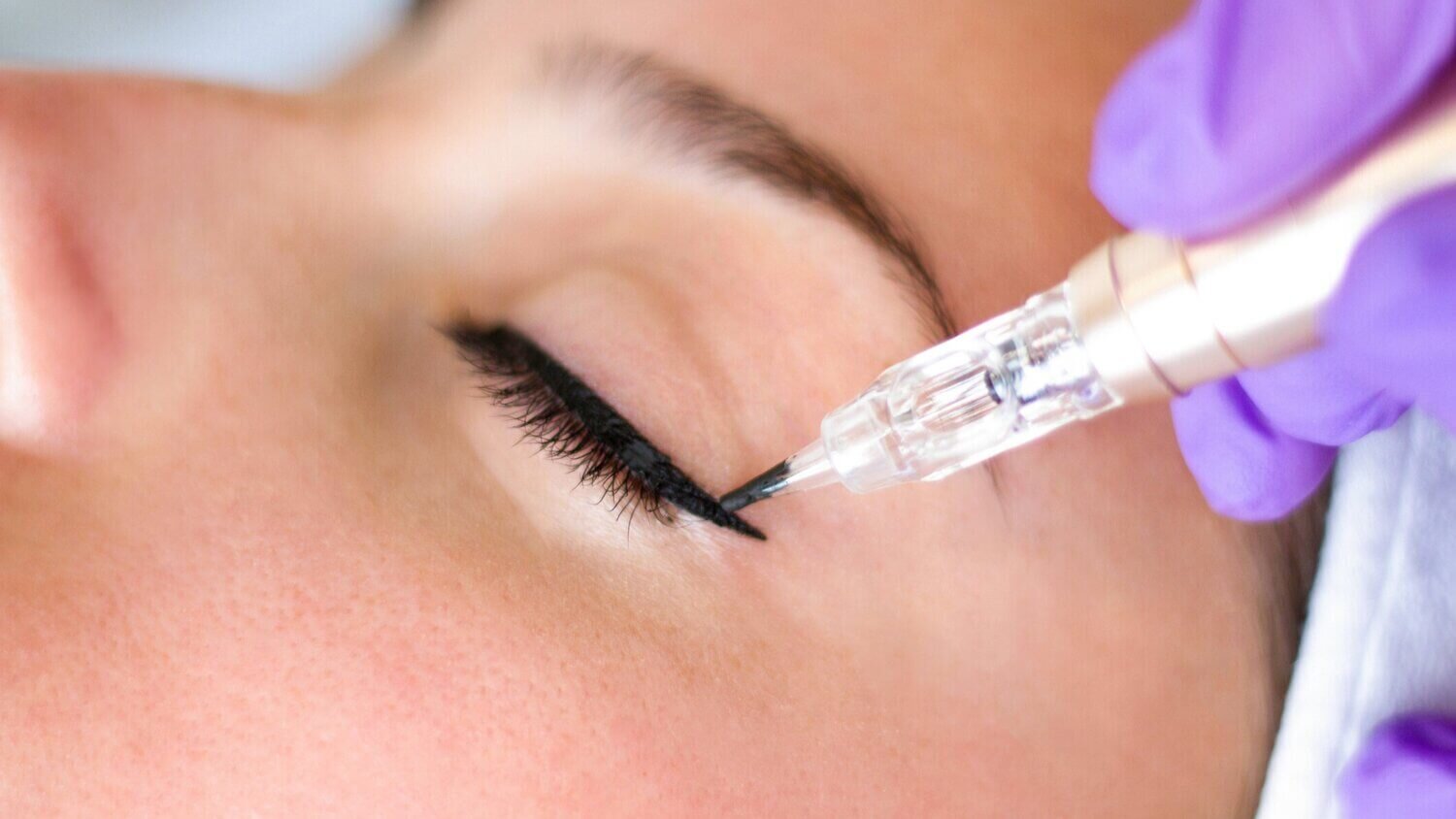
The permanent eyeliner healing process is known to be the easiest of all permanent makeup healing. That probably comes as a surprise. As long as you are in good health and have chosen the right artist, you can expect swift, easy, and safe healing. We’re going to go over how your permanent eyeliner will look as it’s healing and the two most common and popular methods of permanent eyeliner aftercare.
What to Expect After Permanent Eyeliner: Healing Schedule Day by Day
Day 1: You’ll love your new eyeliner!
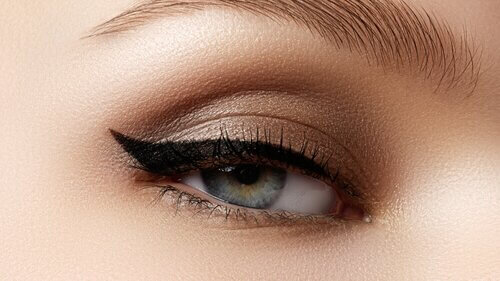
Your eyeliner color is approximately 30% darker than it will be when it’s healed. It will also appear slightly larger than it will heal in just a few days. This is due to color oxidation as well as a small amount of swelling and it is a normal part of your healing process. You will have no trouble driving home and going about the rest of your day normally. It’s unlikely that anyone will notice you’ve had your eyeliner permanently done except for possibly those you know very well.
Days 2-3: Your color will darken temporarily as the pigment oxidizes and thin scabs will form.
You may wake up slightly puffy but you can remedy this by sleeping on an incline or applying a cool compress. Your eyeliner will feel tight and dry, but not painful.
Days 3-5: Your eyeliner will begin flaking until there is no scabbing left.
You want to allow healing to shed naturally. Once all scabbing has finished flaking, it is common for the color to appear lighter than it will eventually heal. This lighter color is only temporary as your freshly healed skin is hiding the true color underneath. Over the next several weeks your eyeliner color will bloom.
Day 42: At 6 weeks your eyeliner is fully healed.
It’s now okay for you to come back in for your follow up. Any adjustments such as darkening the color or altering the shape can be done at this appointment.
Permanent Eyeliner Aftercare: Wet Healing vs Dry Healing
Here are the two most popular aftercare methods that permanent eyeliner artists are using:
Dry Heal
Dry healing was the most popular before wet healing existed. Dry healing is how it sounds. You’ll keep your permanent eyeliner dry at all times. After your permanent eyeliner appointment you won’t touch your eyeliner at all. You’ll let your eyeliner heal on its own.
PROS: There’s nothing for you to do and there’s no aftercare kit required.
CONS: You’ll have heavy scabbing during healing and your color won’t heal evenly.
Wet Heal
Wet healing is how most permanent eyeliner artists have their client’s heal today. Your artist will have you clean your eyeliner every 15 minutes following your appointment. Depending on your artist’s preference, you’ll do this for 2 to 3 days. You’ll also use an eyeliner healing gel to keep your eyeliner from drying out.
PROS: You’ll have no scabbing and your color will heal much more evenly.
CONS: You’ll have some work to do and an aftercare kit to keep on you.
Dry healing is still a common method even though wet healing has proven to have the most promising healed results. You can speak with your artist about their healing method and what they’d like from you when healing.
Wet healing is the #1 way to achieve your best Permanent Eyeliner results.
What You Need For You Permanent Eyeliner Wet Healing Aftercare
Wet healing is the #1 way to achieve your best Permanent Eyeliner results. Here are the top aftercare items you’ll need.
Cotton Pads
You’ll clean your eyeliner every 15 minutes immediately following the procedure using cotton pads and water.
Permanent Eyeliner Cleanser
Gently cleanse your eyeliner daily with an approved permanent makeup cleanser.
Permanent Eyeliner Healing Gel
Permanent eyeliner healing gel is specially formulated to help your eyeliner color heal with longer-lasting and more brilliant color.
Eyeliner Blotting Pads
If you have oily or combination skin then you should be using blotting pads to soak up excess oil. This will help your eyeliner heal with more color.

Microblading Oily Skin: How Different Skin Types Affect Microblading
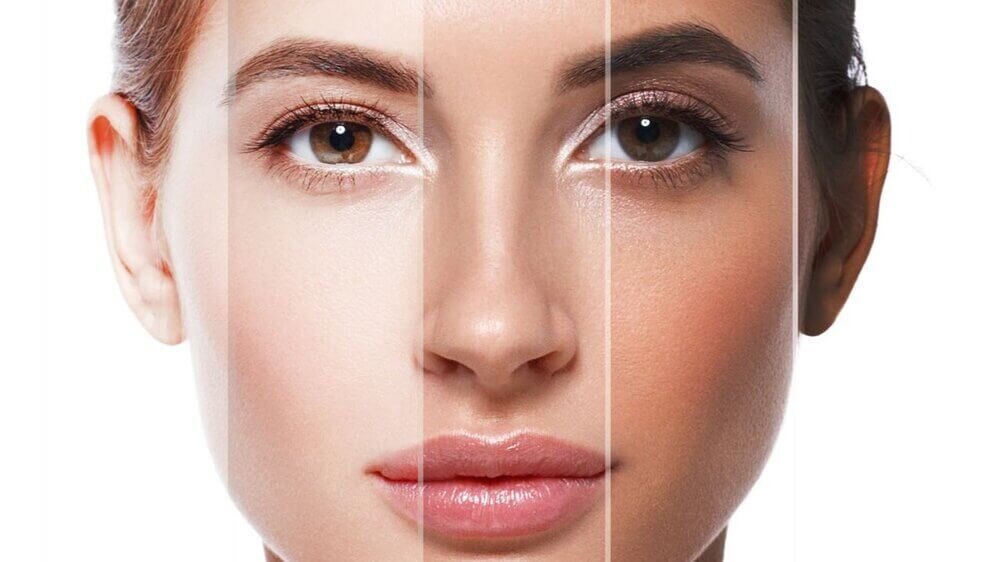
Your skin type is important when it comes to microblading. It plays a major role in how your microblading will heal and the rate at which it will fade. When referring to “skin type” for microblading, we are talking about how dry and/or oily your eyebrow area is and your pore size. There are four common skin types that you can have: normal, dry, oily, or combination. Your skin’s sensitivity is also an important factor, although it is technically not a “skin type”.
Why Your Skin Type Matters For Microblading
Your skin type is important when it comes to microblading. It plays a major role in how your microblading will heal and the rate at which it will fade. When referring to “skin type” for microblading, we are talking about how dry and/or oily your eyebrow area is and your pore size. There are four common skin types that you can have: normal, dry, oily, or combination. Your skin’s sensitivity is also an important factor, although it is technically not a “skin type”.
We are going to be paying particular attention to the oily skin type since one of our most commonly asked questions is “can I get microblading done if I have oily skin?” But first, before we get into microblading on oily. Let’s look at how it compares to the other types.

Overview of Skin Types and How They Heal
Normal Skin
You may have normal skin type if you are not prone to breakouts and your t-zone stays hydrated. Your t-zone is across your brows horizontally, and down the center of your face vertically
The normal skin type will heal very evenly and the color will last the average length of time. You can expect to go 1 to 1.5 years before a touch up becomes necessary.
Dry Skin
You may have dry skin if your pores are nearly invisible, and your skin often feels tight throughout the day. You may also notice some flaking from time to time.
Dry skin types will heal very clean. This is true for all permanent makeup done on dry skin and it is especially true for microblading. Microbladed hair strokes will heal very crisp. Dry skin will also retain color the longest amount of time, usually 1.5+ years. The reason for this is that fewer oils are coming through the skin so the pigment is not diluted, or does not fade, as quickly.
Combination Skin
Combination skin will feel hydrated throughout your t-zone. Your t-zone is across your brows horizontally, and down the center of your face vertically. Your cheek area will feel drier and may experience some flaking.
Combination skin tends to heal like normal or slightly oily skin since it is common for the eyebrow area to be on the oilier side. For all other permanent makeup (eyeliner, lips) skin will heal like the normal skin type.
Sensitive Skin
Clients with sensitive skin will know that they have sensitive before they come in. If you are unsure then you probably do not have sensitive skin.
We’ve added this category because this skin type does heal differently than others. Someone with sensitivity may experiences slight pinkness that can last several days, or weeks, longer than it would for other types. They also may experience some slight swelling on the day of the procedure which is not typical for other skin types.
Oily Skin
Oily skin is naturally more hydrated and supple. It tends to age very nicely however excess oil may clog pores more quickly. Very oily skin is also prone to larger pores.
Oily skin will heal the most soft. microbladed hair strokes will heal more powdery as opposed to the dry skin type for example who’s microblading will heal very crisp. How oily your skin is will make a difference. Slight oiliness will heal more like normal skin, while extremely oily skin will heal much softer and the color will be more spread out. A well-trained microblading artist will know to place the strokes farther apart on a client with oily skin to minimize how much the hair strokes spread into each other once healed.
Color Retention And Healing of Skin Types
Let’s cut to the chase… Can I Have Microblading Done With Oily Skin?
The answer is technically yes. You can have microblading done if you have oily skin. However, you’ll want to keep in mind that the pigment will fade quicker. This is because oils are coming through your skin constantly. The microblading color becomes diluted by these oils.
If you are a new client with oily skin and have your first microblading procedure done, it is most likely you will need to return sooner than the recommended 1-year touch up. If you have oily or very oily skin and want your color to last longer, then the permanent powder brow, also known as ombre brow, shaded brow, or eyebrow tattoo, is a much better option.
Microblading Aftercare Steps And Recommended Products

Microblading Aftercare For All Skin Types
No matter what your skin type is, there are general aftercare steps that you should follow. Your aftercare may vary depending on your artist’s preferences but it generally will look something like what is listed below. All skin types should follow these steps,
Day 1: You’ll use a cotton pad dampened with water to wipe your microblading every 15 minutes beginning immediately after your procedure. This will prevent scabbing and color loss.
Days 2-7: You’ll use a permanent makeup approved, gentle cleanser with no additives to cleanse your microblading morning and evening. You’ll then apply a permanent makeup healing gel to keep your skin from drying out.
Our Recommended Aftercare Products For All Skin Types
Additional Aftercare Tips for Oily Skin Types
If your skin is oily, then your aftercare will require some additional steps. Your aftercare for oily and combination skin will differ in a few ways. Combination skin should be treated as oily skin if you lean towards having an oily t-zone. You should follow the additional steps listed below as well.
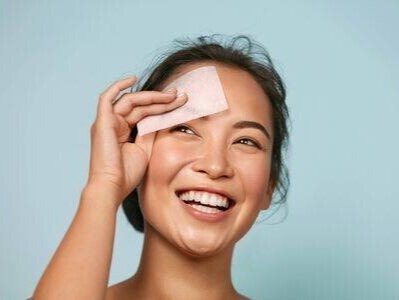
Instead of wiping your microblading with a damped cloth and water ever 15 minutes for 1 day, you will do this for up to 3 days. The extra oils coming through your skin need to be wiped away before they dry into a scab which would result in color loss.
You may not be asked to use a gel at all. A gel is given to you so that your skin doesn’t become too dry. If you have already have oily skin then you aren’t at risk of drying out since your skin does so naturally.
You may be given a light cream in place of heavy cream or gel. There are aftercare creams that are light enough to be used for oily skinned clients however they’re usually not needed.
You should use blotting paper on your microblading for two weeks. Blotting paper is a soft, absorbent sheet of paper that you press against your skin to remove oil. Blotting away excess oils is going to make your microblading heal as crisply as possible. The more oils you leave on your skin, the more blurry your microblading will heal.
Additional Recommended Aftercare Products For Oily Skin
Here Are The Eyebrow Blotting Procedures That Should Be Followed For Each Skin Type
How Do I Determine My Skin Type?
When you schedule your appointment for microblading you do not need to know your skin type. Your microblading artist will determine skin type for you, however, you can use the information above if you are interested in how your microblading eyebrows will heal ahead of time.
Skin type is determined by your genes. Although it may seem as though your environment changes your skin type, true type does not change.
We hope this has helped you to better understand your skin type and how it affects microblading healing. Every client’s needs are unique and we consider this information with great care.